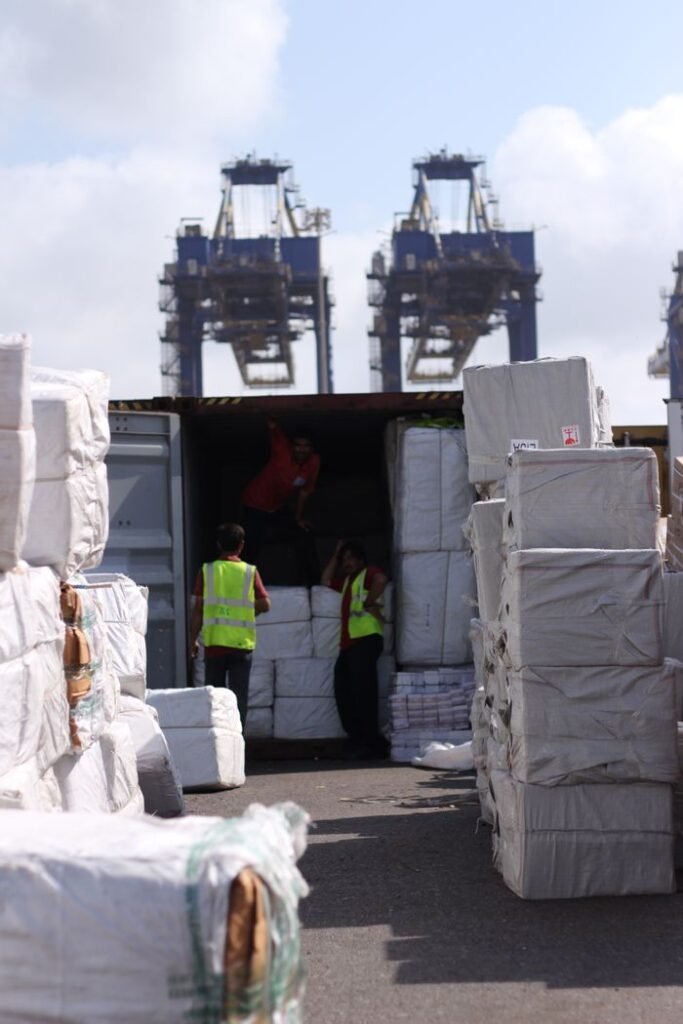
What is FCL?
When shipping FCL (Full Container Load), a shipping container is dedicated entirely to a single shipper’s cargo (typically destined for a single buyer).
The information that goes into managing, booking, and clearing an FCL container falls into a few key categories:
1. Booking & Shipping Details
When you request a container from a carrier or freight forwarder, you must provide:
Shipper and Consignee Information: Full corporate names, addresses, and contact details for both the sender and the receiver.
Origin and Destination Ports: The specific ports or inland ramps where the container will be picked up and dropped off.
Container Type & Size: Whether you need a standard 20-foot, 40-foot, High Cube, Reefer (refrigerated), or Open-Top container.
Incoterms: The agreed-upon trade terms (e.g., FOB, CIF, EXW) that dictate responsibilities and costs.
2. Cargo Specifications
Customs authorities and ocean carriers require precise data regarding what is physically inside the box:
- Provide clear details about which goods are being shipped.
- HS Codes (Harmonized System Codes): The standardized numerical codes used globally to classify traded products for tariffs and duties.
- Gross Weight & Volume: The total weight (including pallets and packaging) and total cubic measurement (CBM) of the cargo to ensure it stays within safe weight limits and container capacities.
- Dangerous Goods (DG) Information: If shipping hazardous materials, you must provide UN numbers, hazard classes, and Material Safety Data Sheets (MSDS).
3. Essential Documentation
To move the container through international borders, several documents must contain matching, accurate information:
Container Seal Number: A unique identification number stamped on the physical security bolt/seal locking the container doors after stuffing.
Commercial Invoice: Details the transaction, value of the goods, and terms of sale.
Packing List: Breaks down the exact contents, how items are packaged (pallets, boxes, cartons), dimensions, and net/gross weights per package.
Bill of Lading (B/L): The official contract of carriage issued by the carrier, acting as a receipt of cargo and a document of title.
LCL stands for Less than Container Load.
It is an ocean freight method used when your shipment isn’t large enough to fill a standard 20-foot or 40-foot shipping container on its own.
How LCL Works
Instead of renting an entire container, your cargo is consolidated (combined) into a shared container alongside shipments from other companies heading to the same destination port.
Shipper A (Your Cargo) ──┐
Shipper B              ──┼─► [ Shared Container (LCL) ] ─► Ocean Freight ─► De-consolidation Hub
Shipper C              ──┘
LCL vs. FCL (Full Container Load)
| Feature | LCL (Less than Container Load) | FCL (Full Container Load) |
| Space | Shared container space | Exclusive container dedicated to you |
| Pricing | Paid per volume/weight (CBM) | Fixed flat rate per container |
| Handling | Packed/unpacked at consolidation warehouses | Sealed at origin, opened at destination |
| Transit Time | Slightly slower (adds 3–5 days for sorting) | Faster direct point-to-point |
Key Benefits & Downsides
- Benefits: Cost-effective for small-to-medium shipments (usually under 13–15 cubic meters/CBM); no need to wait until you have enough goods to fill a full container.
- Downsides: Higher risk of minor damage or delays due to extra handling during loading (consolidation) and unloading (ed-consolidation).